
About the procedure
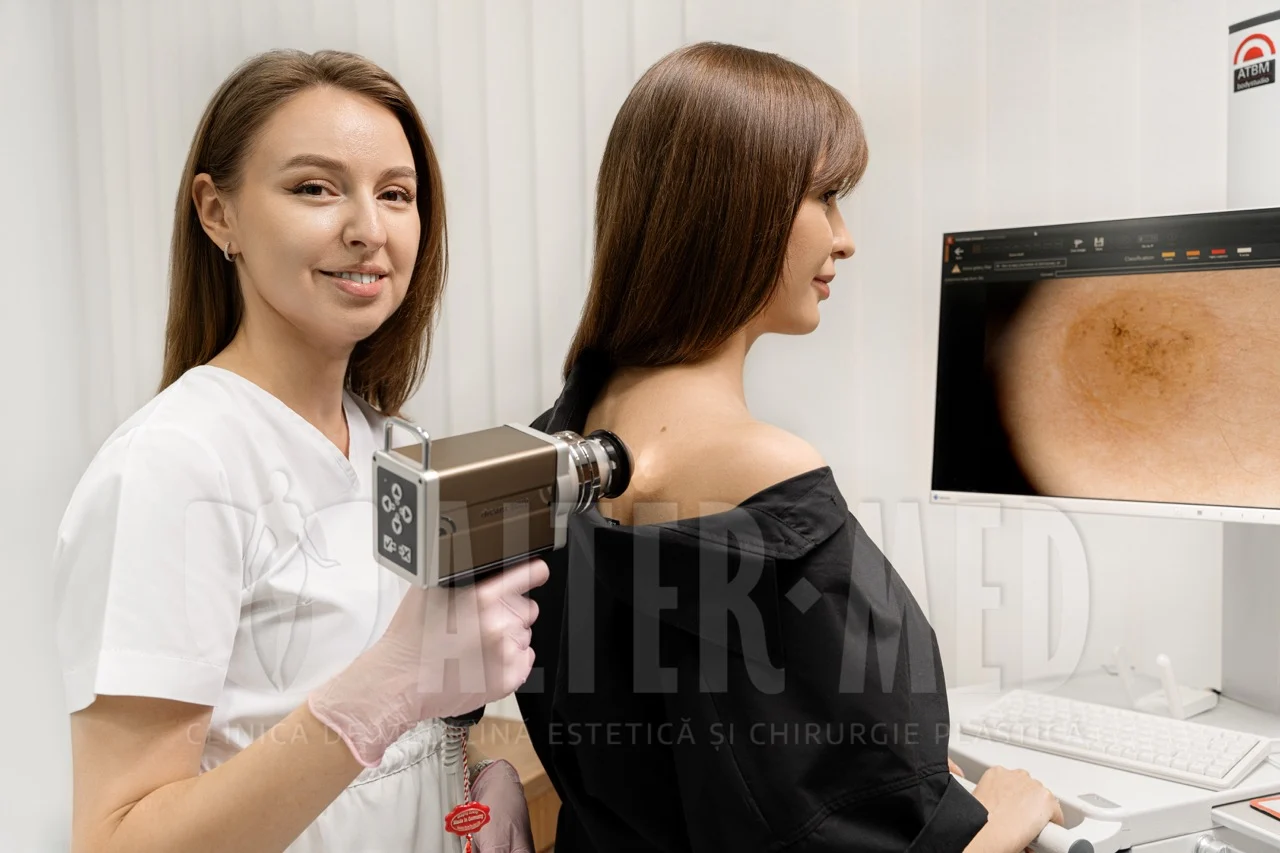
Trichoscopy uses magnified images of the scalp and hair. These can provide information about density, the appearance of hair shafts and skin changes. At Alter-MED, video-camera examination is accompanied by a dermatology consultation so that images are interpreted in the context of symptoms and history.
Your consultation
Discuss when shedding started, its distribution, treatments already tried and any scalp symptoms. The doctor determines whether the examination is sufficient or whether tests or other assessments are needed.
What to expect
- Clarify the concern and clinically examine the scalp and hair shafts.
- Obtain trichoscopic images from areas relevant to the medical question.
- Explain the findings and choose a treatment or monitoring plan.
Recovery and follow-up
Trichoscopy is an examination, not a transplant or injection procedure. Any treatment proposed afterwards has its own indications and follow-up arrangements.
What to consider
Identifying the cause of hair loss involves relating images to the history and clinical examination. Additional investigations may be needed before selecting treatment.
Common questions
Can it monitor the response to treatment?
Follow-up images can support comparison when the doctor considers repeat examination of comparable areas useful.
Does trichoscopy include a treatment prescription?
Recommendations are discussed during the dermatology consultation after relating the images to symptoms and any additional investigations.
Discuss the cost before treatment.
Ask for an estimate for your case and clarify what is included: consultations, the procedure, investigations and follow-up visits. The plan and final cost are agreed after assessment.
Request a consultationInformation to help you prepare for a consultation. Recommendations and treatment plans are agreed individually with your doctor.